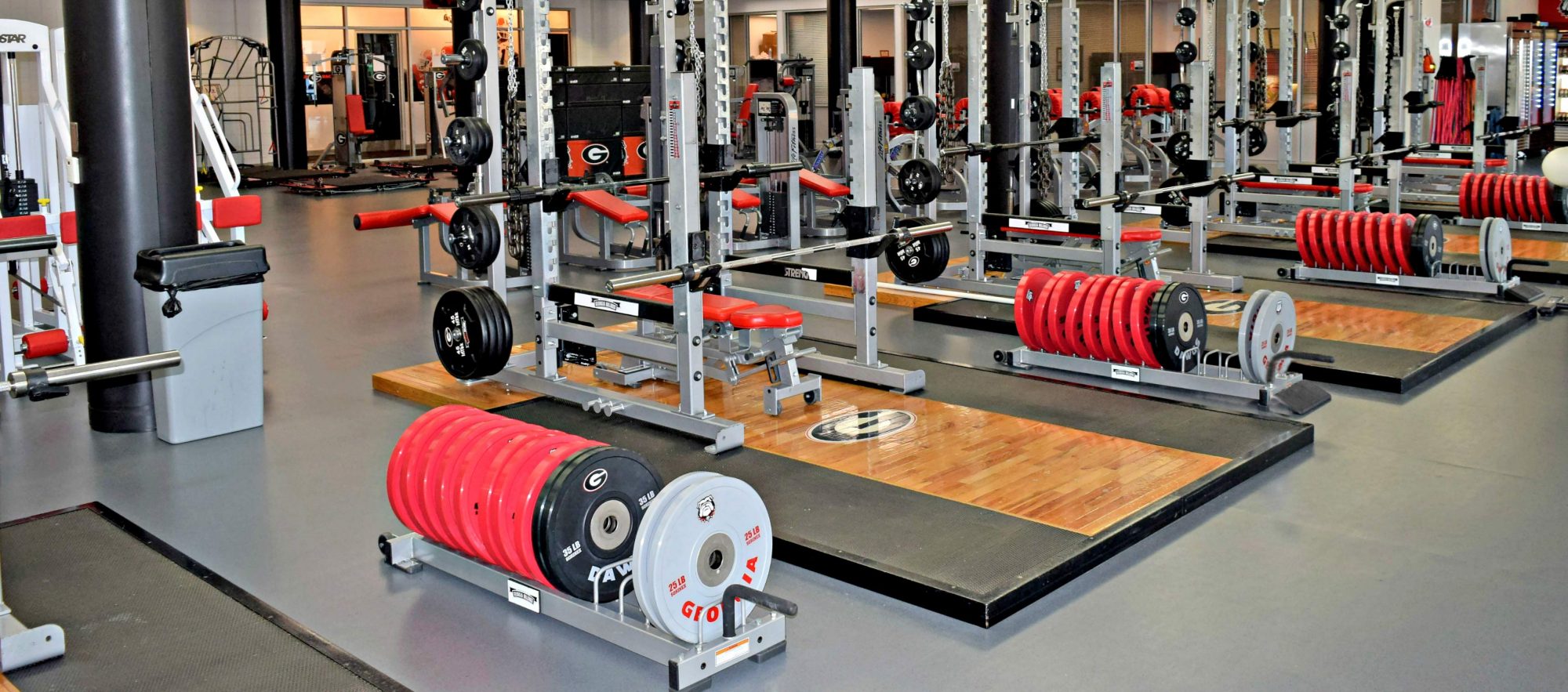
In my last blog I talked about the four most common types of weightlifting in a broad view. Now I am going to specifically talk about Hypertrophy training in depth. Hypertrophy training is by far one of the most common training techniques that you will see in the gym. If you want to show off your muscles and be “jacked”, then this is the program for you.
For beginners I recommend starting out with full-body workouts, or upper and lower splits. If you are very advanced you can do major muscle group splits such as chest day, leg day, back day, and arm day. There’s a lot of debate about which splits are the best for building muscle, but I recommend to try a few different ones and to always switch things up so your muscles don’t get use to your training.
There are two types of exercises in weightlifting, compound, and isolation. Compound exercises use multiple muscles in your body to perform a lift, such as the bench press which uses your chest, shoulders, and tricep muscles. Isolation exercises put stress on only one muscle group, such as a dumbell curl. Compound exercises are the most important for building muscle. Compound exercises use multiple muscle groups which allows you to lift heavier weights, causing more stress and damage to your muscle fibers. Isolation exercises are effective as well, but should be done at the end of your workouts.
For your first couple of exercises you should do 3-4 sets with at least 1-2 light warm-up sets. Start off with a weight that you can lift 8 times, and keep on using that weight till you can lift it 12 times, after that raise the weight and do the process over again. When deciding on what weight to use, it is important to take into consideration the concept of progressive-overload. Progressive overload is when you gradually increase weight (stress) every set. Say that a person can bench 160 pounds for a max of 8 reps, their three sets will look like this:
Set #1: 140 pounds for 8 reps, Set #2: 150 pounds for 8 reps, Set #3: 160 pounds for 8 reps.
Progressive overload is proven to put your muscular system under the most stress, and create the most gains. In Between sets take 1-2 minute breaks, this allows your muscles enough time to recover before for the next set, but not too much time to where they aren’t getting a good workout.
Another important thing to remember when lifting is proper form. Often times at the gym you will see people trying to lift weight that is too much for them, causing their form to be terrible. Bad lifting form has many negative side effects such as being more prone to injury, and inefficient results. When lifting a weight there’s two kind of motions happening, the first being concentric which is lifting the weight, and eccentric which is when you lower the weight. Many people think that the concentric part is the most important, and because of this they will sacrifice form in order to lift more weight. In reality though, many studies show that the eccentric motion (lowering the weight) has the biggest effect on your muscle growth and strength. This is why proper form when lifting is so crucial. Your concentric motion should be fast and explosive, while your eccentric motion should be slow and controlled.
When you first start to lift you will see fast results with size and strength. This usually lasts for the first 1-2 years of lifting. Make sure to fuel your body with lots of healthy protein, carbs, and fats. It is very important that you get lots of sleep as well. Working hard in the gym is only a small part of the battle, and what you do outside the gym has a huge effect on your results. In my next blog I will talk about how to properly recover from your workouts, which will include nutrition, rest, and stretching.
 Nikos Fitness Blog